When planning a construction project, cost is often one of the first considerations. Whether it’s a home extension, renovation, refurbishment or new build, many property owners naturally want to achieve the best possible result within their available budget.
While managing costs is important, focusing solely on the initial price can sometimes lead to decisions that become far more expensive over time.
Quality construction is often viewed as a larger upfront investment, but in reality, it can deliver significant financial benefits throughout the life of a property. From reducing maintenance costs to improving energy efficiency, investing in quality workmanship and materials can help property owners avoid many of the hidden expenses that often accompany lower-cost alternatives.
Looking Beyond the Initial Price
Construction projects should be viewed as long-term investments rather than short-term purchases.
It can be tempting to compare quotations and focus on the lowest figure, particularly when budgets are under pressure. However, construction pricing often reflects the quality of materials being used, the experience of the workforce, the level of project management involved and the attention given to detail throughout the build.
A lower upfront cost may appear attractive initially, but if corners are cut during construction, problems can emerge long after the project has been completed.
Issues such as poor workmanship, inadequate preparation or the use of lower-grade materials can lead to repairs, replacements and ongoing maintenance costs that quickly outweigh any initial savings.
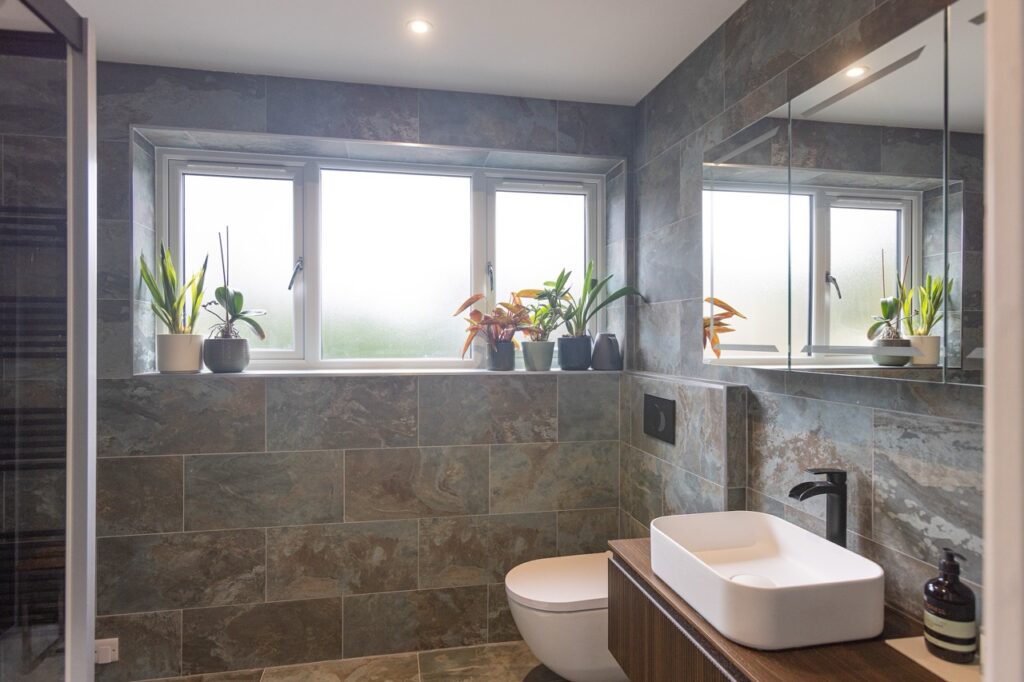
Durable Materials Reduce Future Costs
The materials used within a construction project play a significant role in determining its long-term performance.
Higher-quality materials are often designed to withstand daily wear, changing weather conditions and the natural ageing process more effectively than cheaper alternatives. As a result, they typically require less maintenance and offer a longer lifespan.
For homeowners, this can mean fewer repairs, reduced replacement costs and greater confidence that their investment will continue performing as expected years after construction has been completed.
While premium materials may increase the initial project cost, they often provide far better value over the lifetime of the building.
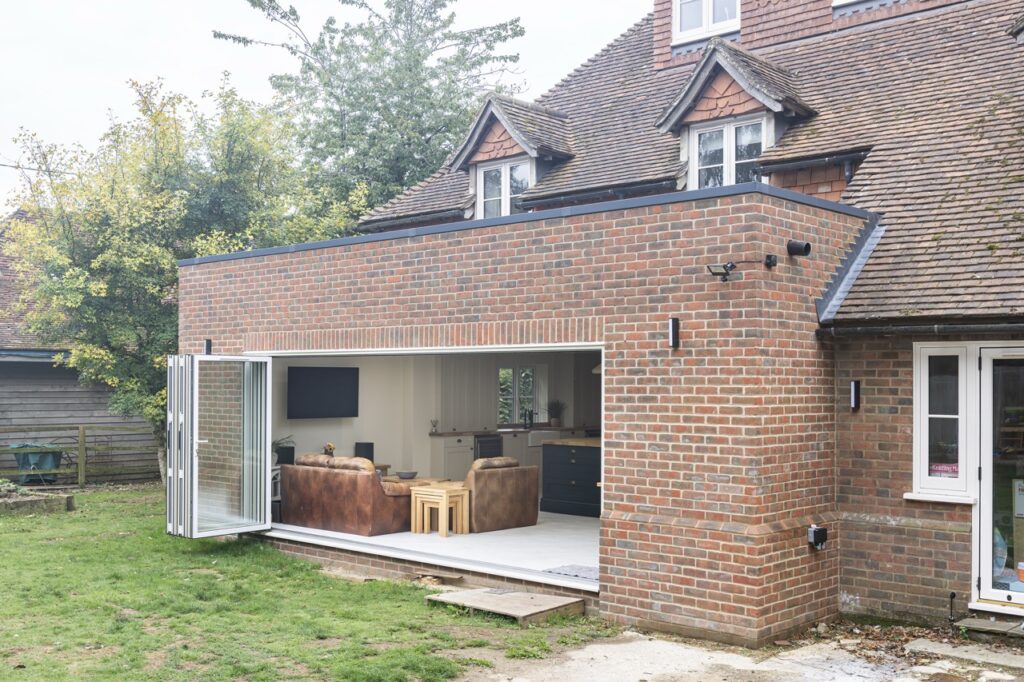
Quality Workmanship Prevents Expensive Problems
Even the best materials can underperform if they are not installed correctly.
Construction is about far more than what can be seen on the finished surface. The structural elements, foundations, drainage systems, insulation, roofing and internal infrastructure all contribute to the long-term performance of a property.
Poor workmanship can lead to issues such as water ingress, structural movement, heat loss or premature deterioration. These problems are often costly to identify and rectify because they may remain hidden until significant damage has already occurred.
Experienced construction professionals understand the importance of getting every stage of the build right from the beginning. Careful attention to detail during construction often prevents major repair costs in the future.
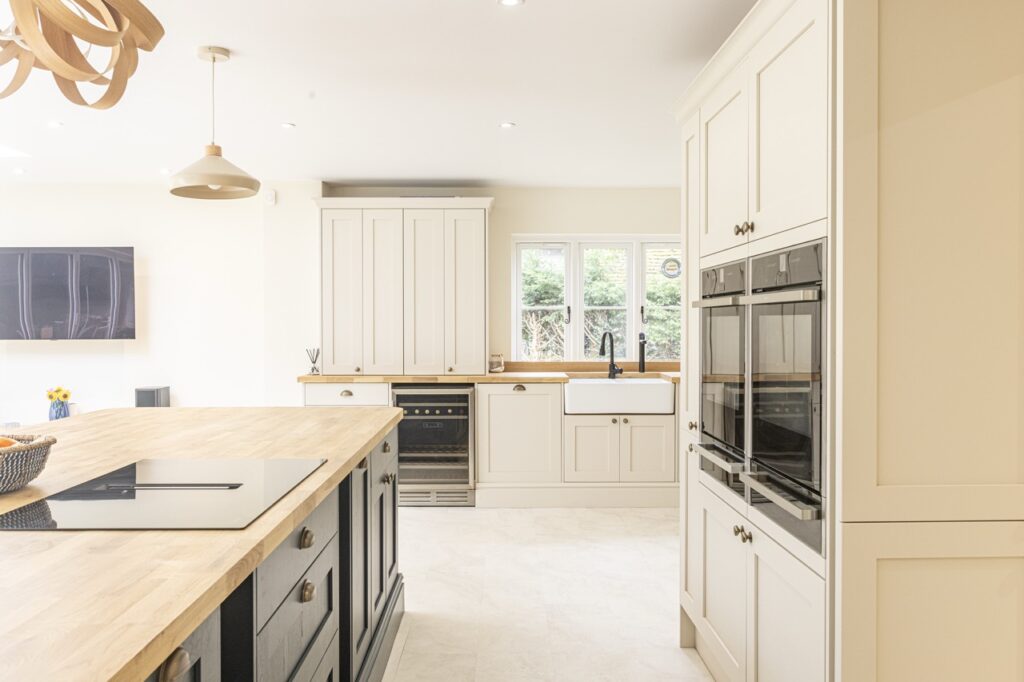
Energy Efficiency Creates Ongoing Savings
Modern construction standards place increasing emphasis on energy efficiency, and for good reason.
Well-constructed buildings with effective insulation, quality windows, proper ventilation and airtight construction can significantly reduce energy consumption. This translates into lower heating and cooling costs throughout the year.
As energy prices continue to fluctuate, efficient buildings offer a valuable layer of protection against rising utility costs.
For many property owners, the cumulative savings generated through improved energy performance can become one of the most significant financial benefits of investing in quality construction.
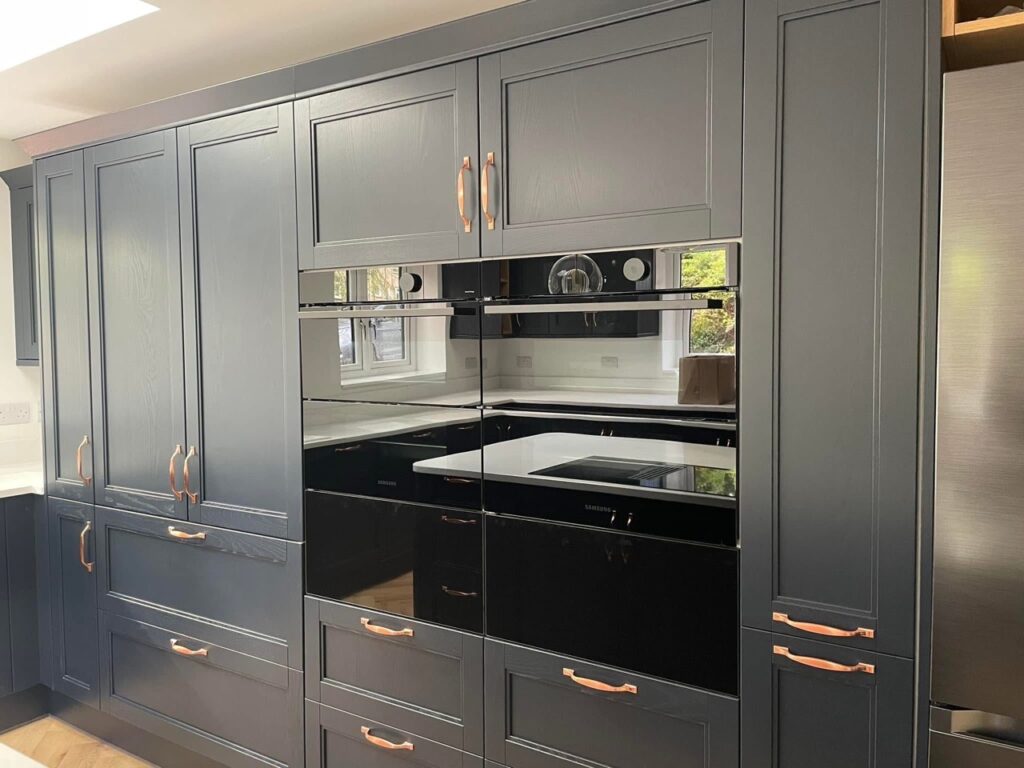
Reduced Maintenance Means Lower Ownership Costs
Every building requires some level of maintenance, but the frequency and cost of that maintenance can vary dramatically depending on how the property was constructed.
Quality construction helps minimise the likelihood of recurring issues that require constant attention. Doors remain properly aligned, finishes retain their appearance, roofing systems perform as intended and structural components continue to function effectively.
This not only reduces repair bills but also helps property owners avoid the inconvenience and disruption that often accompanies ongoing maintenance work.
Over the lifespan of a property, these savings can be substantial.
Protecting Property Value
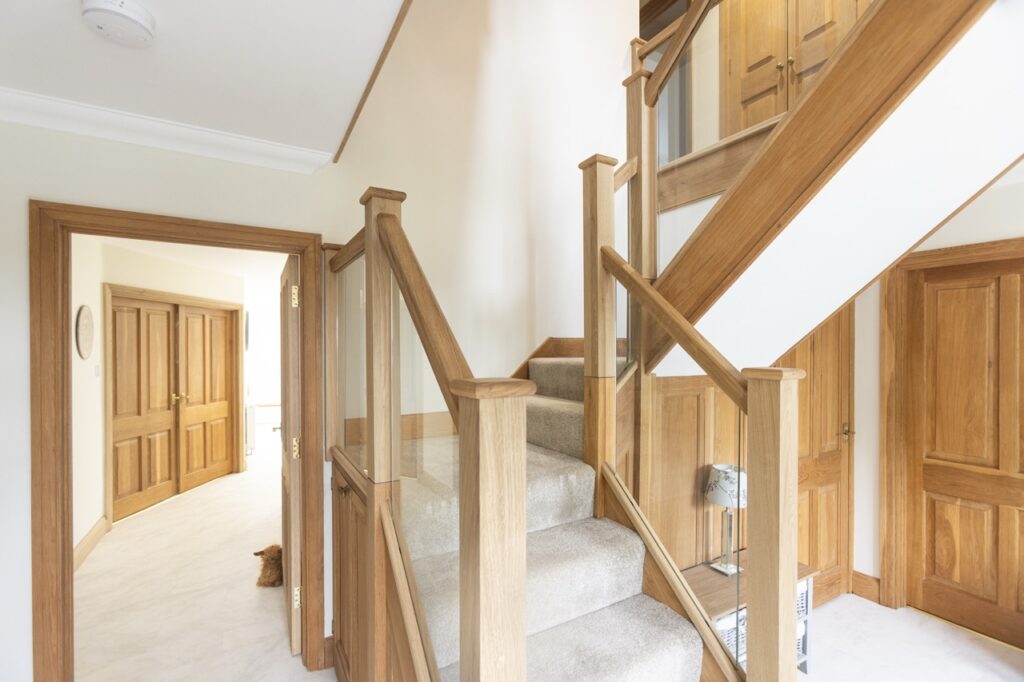
Construction quality can have a direct impact on the long-term value of a property.
Prospective buyers are increasingly informed and often recognise the difference between a well-executed project and one where quality has been compromised. Visible workmanship, durable finishes and evidence of professional construction can all contribute positively to buyer confidence.
Properties that have been built or renovated to a high standard often retain their value more effectively and may attract stronger interest when brought to market.
In contrast, defects or signs of poor workmanship can raise concerns that influence both property valuations and purchasing decisions.
Avoiding the Cost of Rework
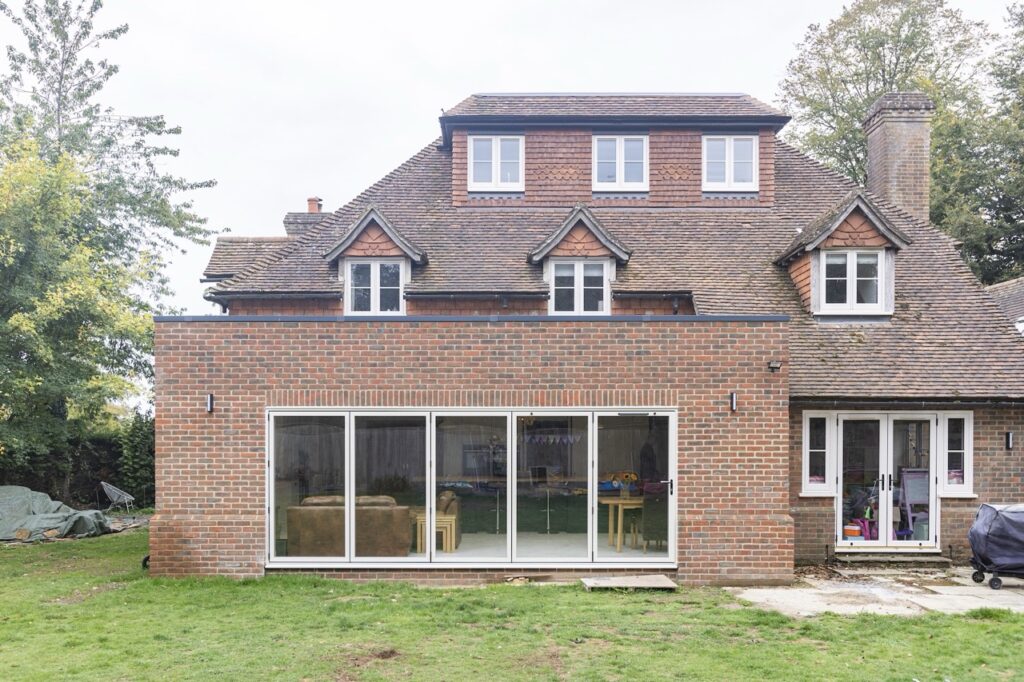
One of the most expensive outcomes in construction is having to complete the same work twice.
Rectifying construction defects often involves more than simply repairing the original issue. Finishes may need to be removed, materials replaced and additional labour allocated to access affected areas.
In some cases, correcting problems can cost significantly more than completing the work properly in the first place.
Investing in experienced contractors who prioritise quality can help reduce the likelihood of rework and provide greater confidence that the finished result will stand the test of time.
The Value of Professional Project Management
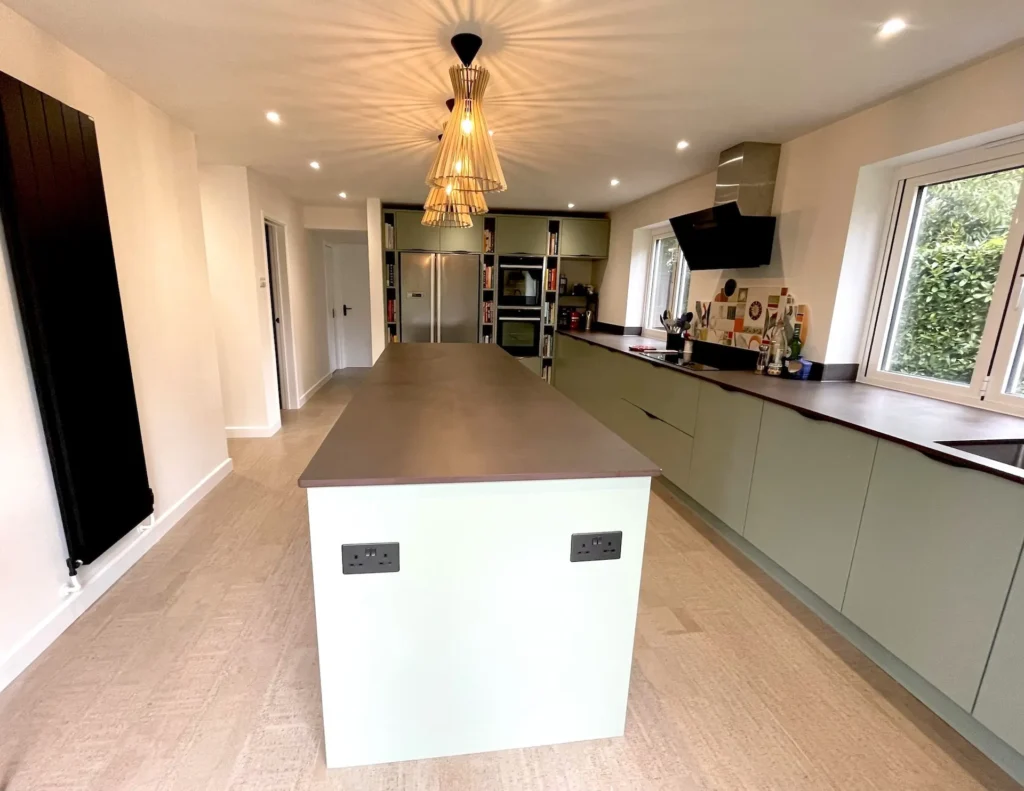
Quality construction is not limited to materials and workmanship. Effective project management also plays a critical role in delivering lasting value.
Well-managed projects benefit from clear communication, careful scheduling and proactive problem-solving. This helps minimise delays, reduce waste and ensure that construction activities are completed efficiently.
Professional oversight can also help identify potential challenges before they become costly issues, protecting both budgets and timelines throughout the project.
When construction projects are planned and managed effectively, the long-term financial benefits often extend well beyond the physical build itself.
Investing in Confidence
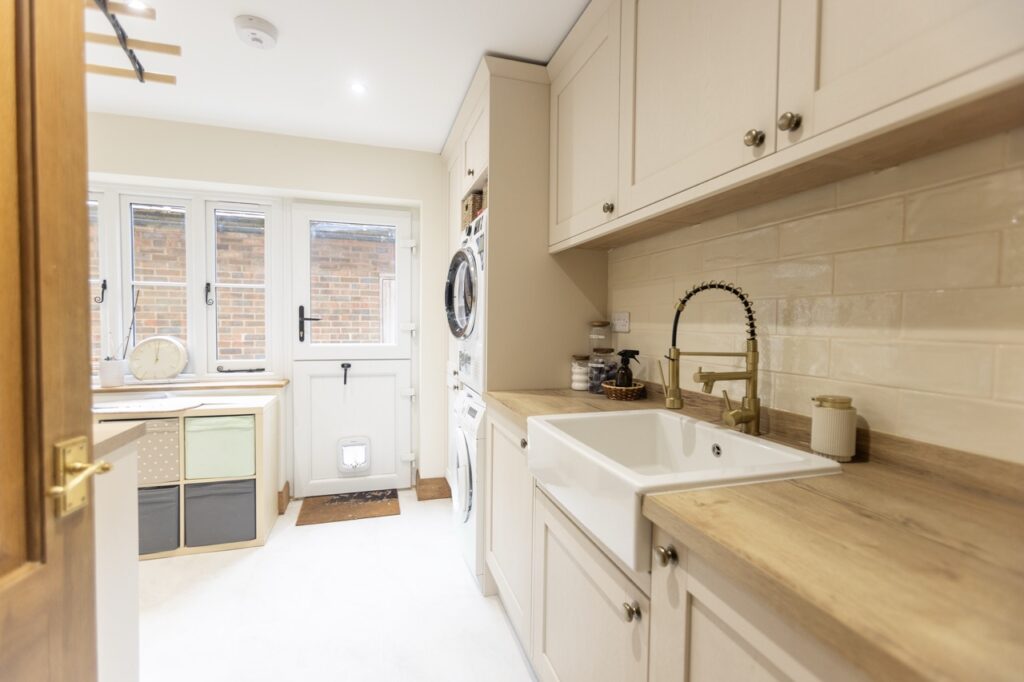
One of the less tangible benefits of quality construction is peace of mind.
Property owners want confidence that their investment has been completed correctly and that the spaces they use every day are safe, durable and built to last.
Knowing that quality materials have been used, workmanship meets high standards and experienced professionals have overseen the project allows homeowners to enjoy the results without worrying about unexpected problems emerging in the near future.
While this value may not appear on a spreadsheet, it often becomes one of the most appreciated outcomes of a well-executed construction project.
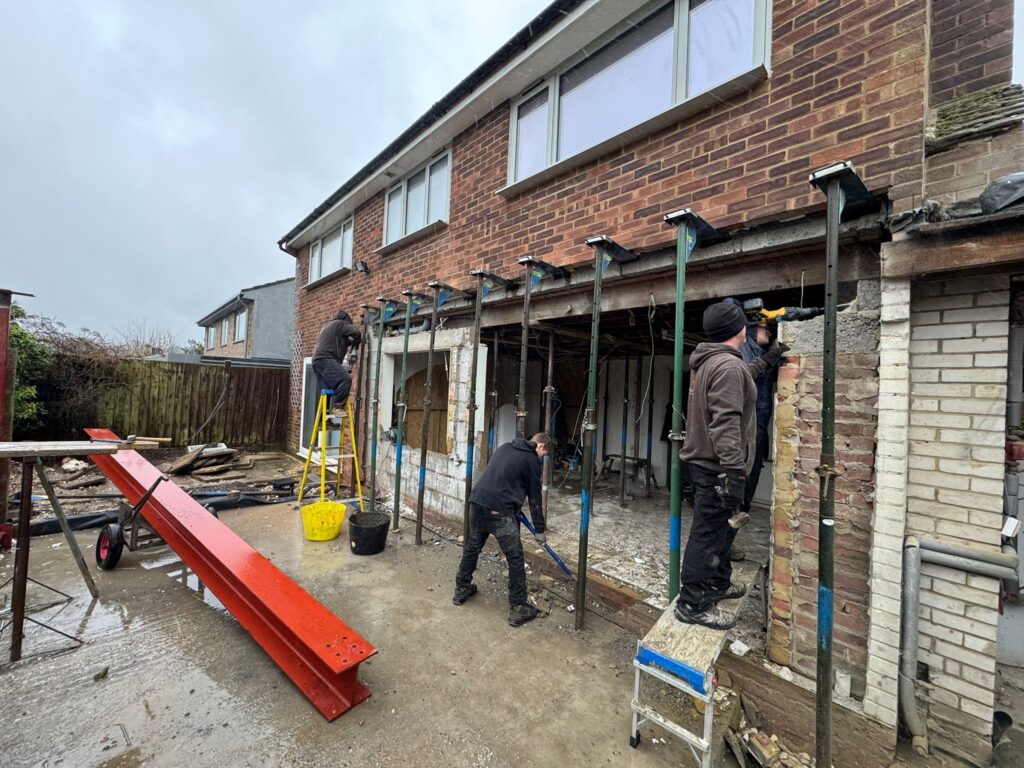
Quality Construction Is an Investment, Not an Expense
The true cost of construction extends far beyond the day a project is completed.
When viewed over the lifespan of a property, quality construction can reduce maintenance costs, improve energy efficiency, minimise repairs, protect property value and help avoid expensive rework.
Although investing in quality may require greater commitment upfront, it often proves to be the more cost-effective choice in the years that follow.
At AH Construction, we believe that every project should be built with longevity in mind. By combining quality workmanship, careful planning and a commitment to high standards, we help clients create spaces that deliver lasting value long after construction has been completed.