Need another bedroom but don’t want to move house? Extending could be a practical way to create the space you need while staying in a home you already love. However, before making plans, it’s important to understand what a bedroom extension might cost and how different designs can affect your budget.
The cost of bedroom extensions depends on more than just the size of the new room. Where you build, how it connects to your existing home and whether you want additional features such as an ensuite can all influence the final price.
So, what should you budget for, and which type of extension offers the best value for your home?
How Much Does a Bedroom Extension Cost in the UK?
The cost of a bedroom extension in the UK can vary considerably depending on the size of the extension, the complexity of the design, the materials used and the level of finish you choose. Whether you’re looking to create a modest additional bedroom or a spacious master suite, there are different options to suit your budget and requirements.
Here’s a general guide to what different budget levels might include:
- Lower-budget bedroom extension: A straightforward, single-storey extension with a simple layout, standard materials and minimal structural alterations can be a more cost-effective way to add an extra bedroom to your home.
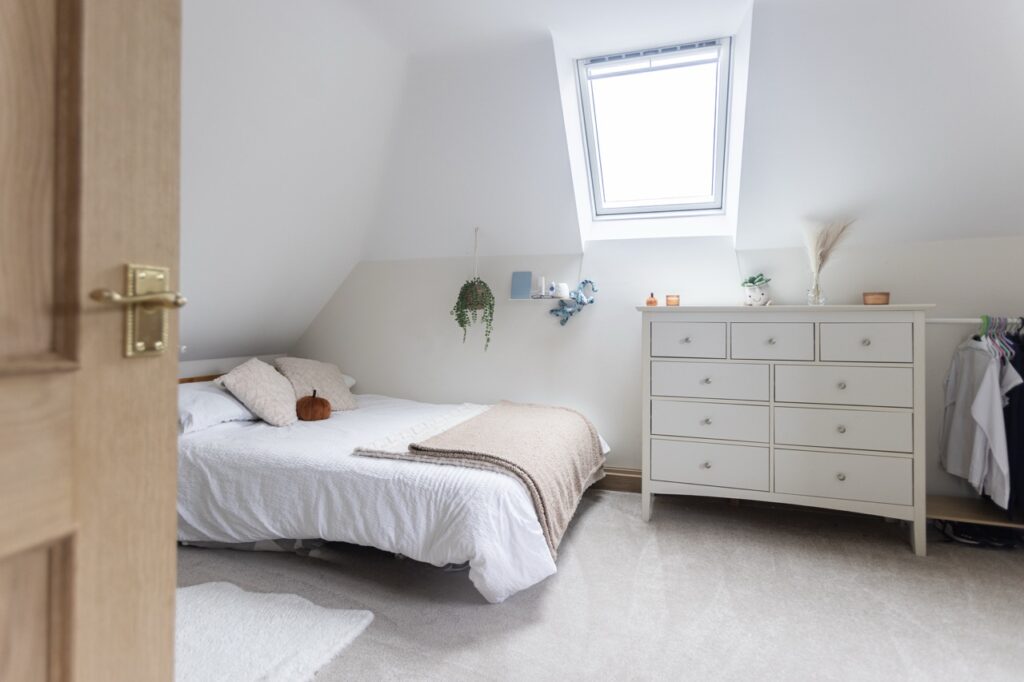
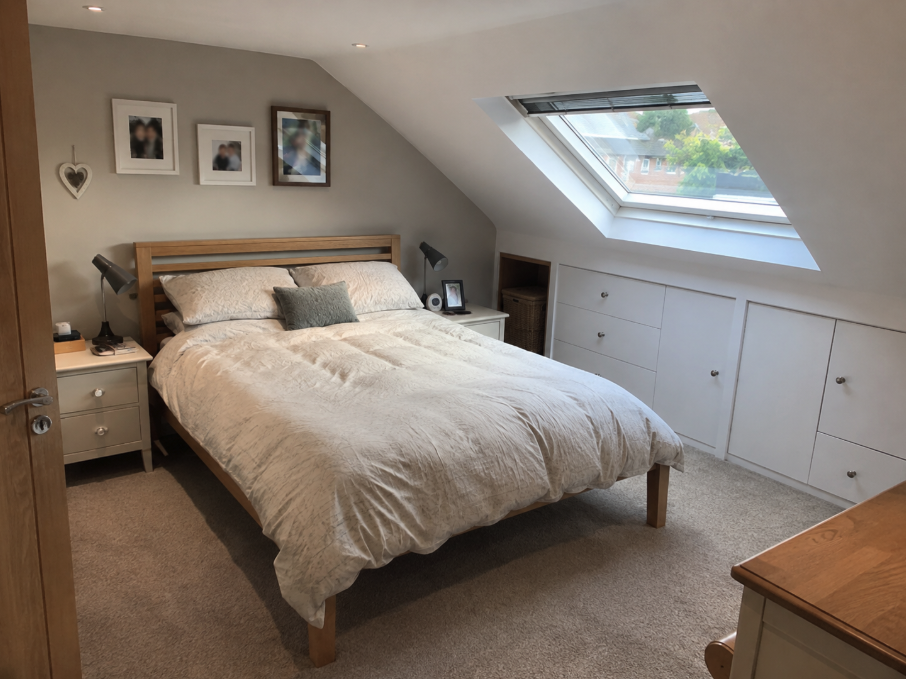
- Mid-range bedroom extension: A larger or more customised extension might include improved insulation, additional windows, upgraded flooring, built-in storage and higher-quality finishes to create a comfortable and practical living space.
- Higher-budget bedroom extension: More extensive projects could involve a two-storey extension, significant structural changes, bespoke design features or the addition of an en-suite bathroom to create a luxurious master bedroom.
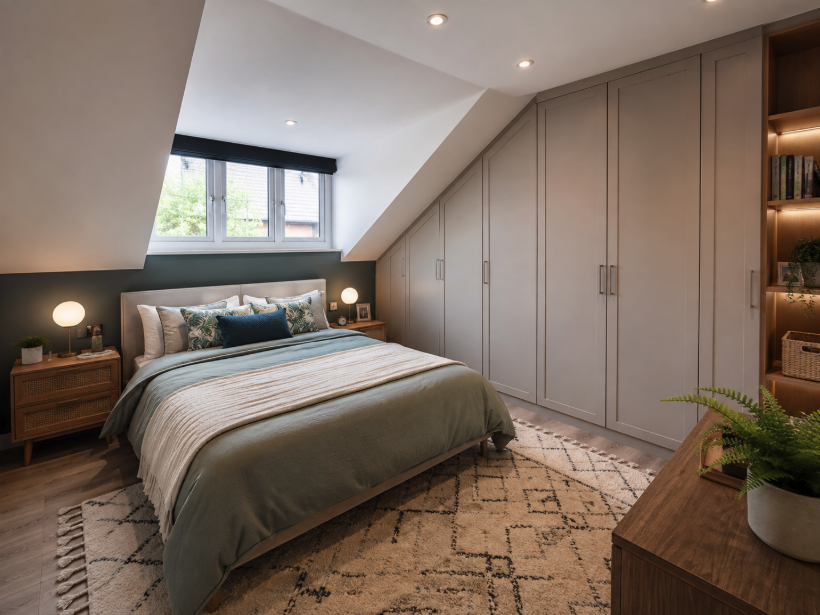
- High-end bedroom transformation: For homeowners looking to maximise space and comfort, a premium extension might include architectural glazing, bespoke fitted wardrobes, luxury bathroom facilities and carefully designed interiors that blend seamlessly with the existing property.
Ultimately, your bedroom extension budget will depend on your property’s layout, the amount of additional space required and your preferred specification. Factors such as ground conditions, planning requirements and access to the site can also influence the overall scope of the project.
The most reliable way to understand what’s achievable within your budget is to have your proposed extension professionally assessed based on your property, priorities and design preferences.
Does the Type of Bedroom Extension Affect the Cost?
The location of your new bedroom can make a considerable difference to the work required. Before settling on a design, it’s worth exploring how different types of bedroom extensions could work with your existing property.
Downstairs Bedroom Extension
A downstairs bedroom extension can be particularly useful for homeowners looking to make their property more suitable for long-term living. Having a bedroom on the ground floor can reduce reliance on stairs while providing a quieter, more private space away from the main living areas.
The cost will depend on where the extension is positioned and how easily it can connect to the existing house. If you’re planning to include an ensuite, the additional plumbing and drainage work will also need to be factored into your budget.
One Bedroom Extension
A one bedroom extension doesn’t necessarily need to be a large project. If your home simply needs another bedroom, a compact, well-designed addition may provide enough space without taking up too much of your garden.
However, smaller extensions aren’t always proportionally cheaper. Even a modest addition requires foundations, roofing and connections to the existing building. This means the cost per square metre can sometimes be higher than expected.
Garage and Bedroom Extension
If you already have an attached garage, you may be able to create additional bedroom space by converting it or extending above it.
A garage and bedroom extension can make use of an existing part of your property, potentially reducing the need to sacrifice garden space. However, the existing structure will need to be assessed to determine whether it is suitable for conversion or capable of supporting another storey. If substantial structural strengthening is required, the project could become more expensive than initially anticipated.
Ground Floor and Side Bedroom Extensions
A ground floor bedroom extension or side extension bedroom can be an effective option if your property has unused space alongside the house.
Side extensions can work particularly well where there is limited room at the rear, although the available width and proximity to neighbouring properties may influence the design. It’s also important to think about how the new bedroom will be accessed. A bedroom that requires an awkward route through another room may be less practical than one connected to an existing hallway.
For more ways to make use of your available space, explore our bedroom extension ideas.
What Costs Are Easy to Overlook?
When budgeting for an extra bedroom extension, it’s easy to focus on the new room itself and underestimate the work required to integrate it into your home. For example, creating access to the extension may involve altering an external wall or changing the layout of an existing room. Ground conditions can also affect foundation costs, particularly where drainage or underground services need to be considered.
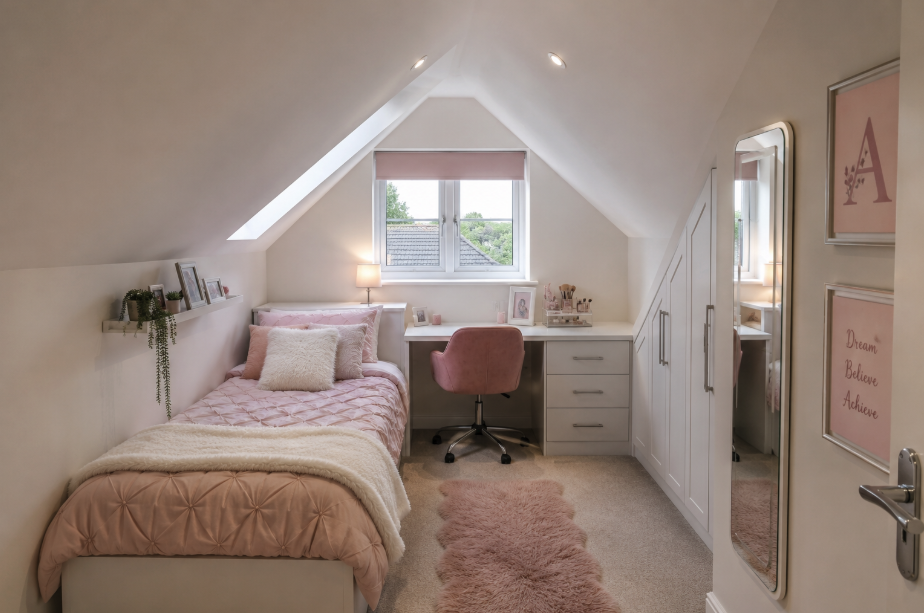
If you’re adding a bedroom upstairs, structural alterations and changes to the roof may increase the complexity of the project. It’s worth discussing these requirements early, rather than discovering them once construction is underway. Allowing a contingency of around 10–15% can also help accommodate unexpected costs.
Will You Need Planning Permission?
Not every bedroom extension requires planning permission. Some projects may fall under permitted development rights, depending on the size, position and design of the extension.
However, permitted development rules have specific limitations, and restrictions may apply to certain properties. Building Regulations approval is also generally required, even where planning permission isn’t necessary.
It’s sensible to check these requirements before committing to a design, as changes to meet planning or building regulations can affect your budget and timescale.
Is Adding an Extra Bedroom Worth the Cost?
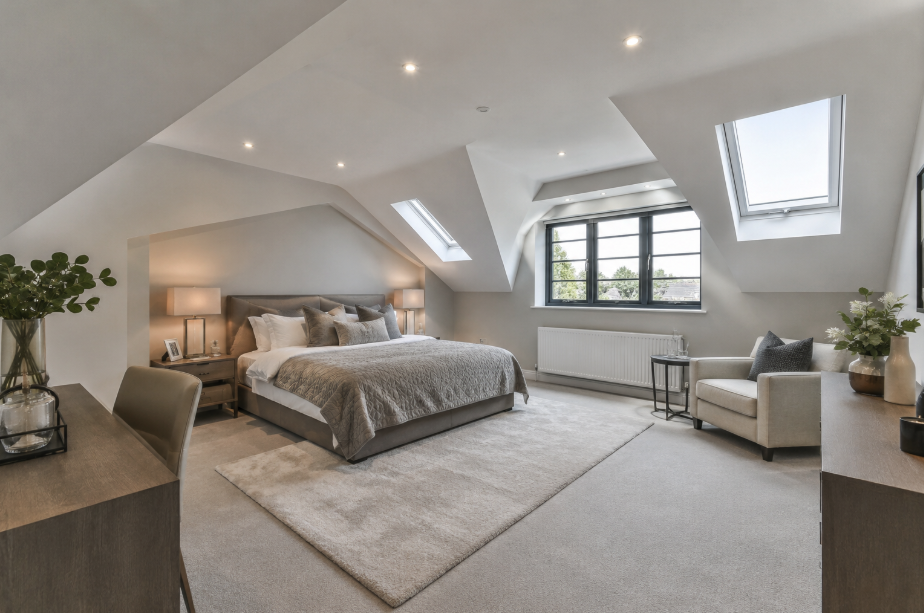
An extra bedroom can make a significant difference to how comfortably your home accommodates your needs. It may also increase your property’s value, particularly if the extension improves the overall bedroom count without compromising other living areas.
However, value isn’t simply about creating another room. The bedroom needs to feel like a natural part of the house, with sufficient space and a practical layout.
Before investing, consider whether the extension will improve how you use your home over the coming years. A carefully designed bedroom that meets your long-term needs may be a more worthwhile investment than simply adding as much floor space as possible.
Planning a Bedroom Extension in Hampshire?
The cost of bedroom extensions can vary considerably, which is why understanding your options early is so important. Whether you’re looking to create a downstairs bedroom or make better use of an existing garage, the right approach will depend on your property and what you want to achieve.
At Adam Hurst Construction, we work with homeowners across Hampshire to create practical, high-quality extensions that complement their existing homes.
If you’re considering adding another bedroom, explore our bedroom extension services or get in touch with our team to discuss your plans and find out what’s possible for your property.