Sustainability is now an important part of planning a new build home. For many homeowners, it is not only about reducing environmental impact. It is also about creating a property that feels comfortable, costs less to run and is built to perform well for years to come.
A sustainable new build starts long before construction begins. The design, layout, materials and build quality all influence how the home will work in everyday life. When these decisions are considered early, the finished property can be more efficient, more practical and better suited to the way people live.
Good Design Comes First
One of the biggest factors in a sustainable new build is the design. Before choosing finishes or fixtures, it is important to think about how the home will sit on the plot, how natural light will enter the rooms and how the layout will support everyday comfort.
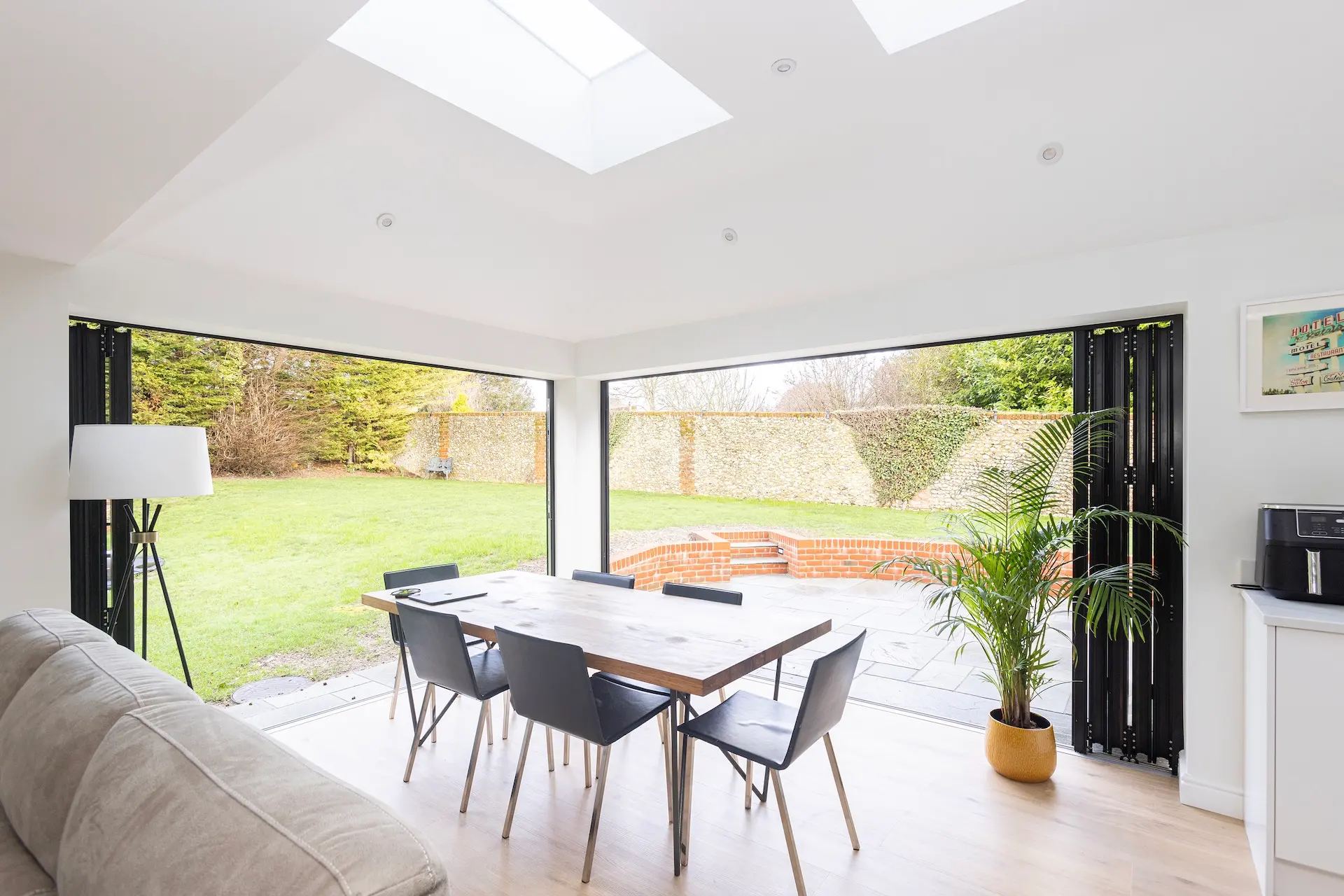
A well-designed home can make better use of daylight, reduce heat loss and create spaces that feel pleasant throughout the year. Window placement, room orientation and the connection between indoor and outdoor areas can all make a difference.
Sustainable design is not about adding features at the end of the project. It works best when it is part of the planning process from the beginning.
Energy Efficiency Matters
An energy-efficient new build should be designed to use less energy while still feeling warm and comfortable. This can involve good insulation, effective glazing, careful airtightness and suitable heating systems.
When a home is built with energy performance in mind, it can help reduce running costs and improve comfort. It can also make the property more resilient as standards continue to move toward lower-carbon living.
The quality of installation is just as important as the products used. Even strong specifications can underperform if they are not fitted properly, which is why experienced construction and attention to detail matter throughout the build.
Materials Should Be Chosen Carefully
The materials used in a new build affect both appearance and long-term performance. Sustainable choices are not always about choosing the most unusual or expensive option. In many cases, it is about selecting materials that are suitable for the property, durable in use and appropriate for the local setting.
Longevity is a key part of sustainability. A home that is built well and uses robust materials is less likely to need major repairs or early replacement work. This helps reduce waste over time and protects the homeowner’s investment.
Materials should also work together visually. A sustainable new build still needs to feel like a home, with finishes that suit the design rather than simply following trends.
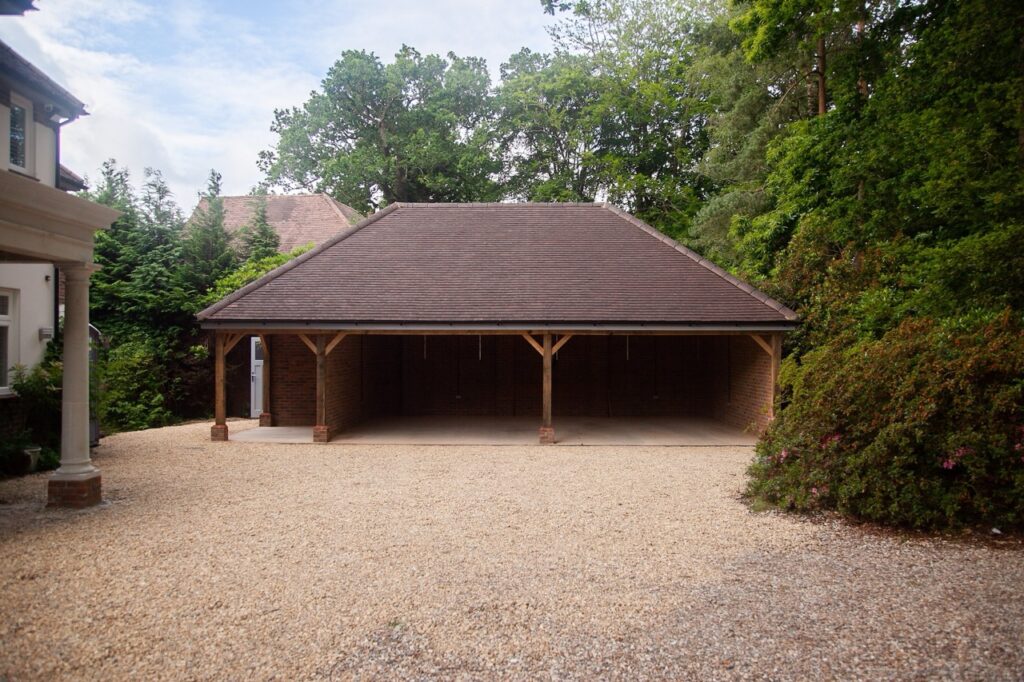
Build Quality Has a Long-Term Impact
Sustainability depends heavily on how well the home is built. A carefully managed construction process can reduce waste, avoid unnecessary rework and support a better finished result.
Good build quality also affects how the home performs after completion. Poor detailing can lead to draughts, heat loss, damp issues or maintenance problems. Careful workmanship helps create a property that feels solid, efficient and easier to look after.
At AH Construction, new build projects are approached with clear planning, reliable communication and close attention to the details that matter. This helps clients feel informed during the process and supports a finished home that is built with long-term use in mind.
Think About Heating and Ventilation Together
Heating and ventilation should be considered as part of the same wider plan. A modern new build needs to retain warmth effectively while still allowing the home to breathe properly.
If ventilation is overlooked, a highly insulated home can develop issues with moisture and air quality. If heating is not planned well, the home may not perform as efficiently as it should. Bringing these elements together during the design and build process helps create a more balanced result.
The aim is to create a home that feels comfortable in daily use, not just one that looks efficient on paper.
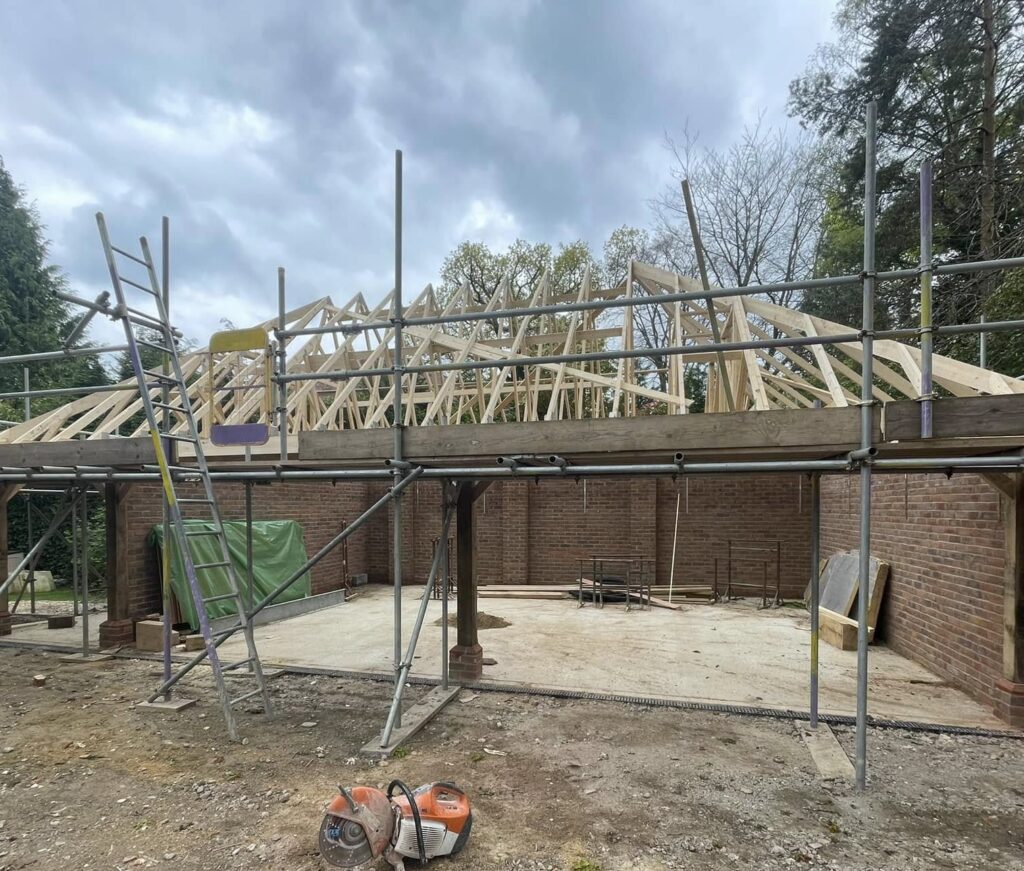
Reduce Waste During the Build
Sustainable construction is also about what happens on site. Careful planning can reduce unnecessary waste, improve ordering accuracy and help the project run more smoothly.
This is where good project management makes a real difference. When the build is organised properly, materials can be used more efficiently and avoidable mistakes are less likely to happen. Clear sequencing also helps reduce delays, which benefits both the homeowner and the wider project team.
A well-run site supports a better build and a more responsible approach to construction.
Plan for the Future
A sustainable new build should work well now and remain practical in the years ahead. This means thinking about changing household needs, future maintenance and how the property may need to adapt over time.
Flexible layouts, good storage, durable finishes and efficient systems can all help the home stay useful for longer. A property that continues to meet the needs of its occupants is more sustainable than one that needs major alterations soon after completion.
Future-focused planning can also help homeowners make decisions that feel sensible rather than short term.
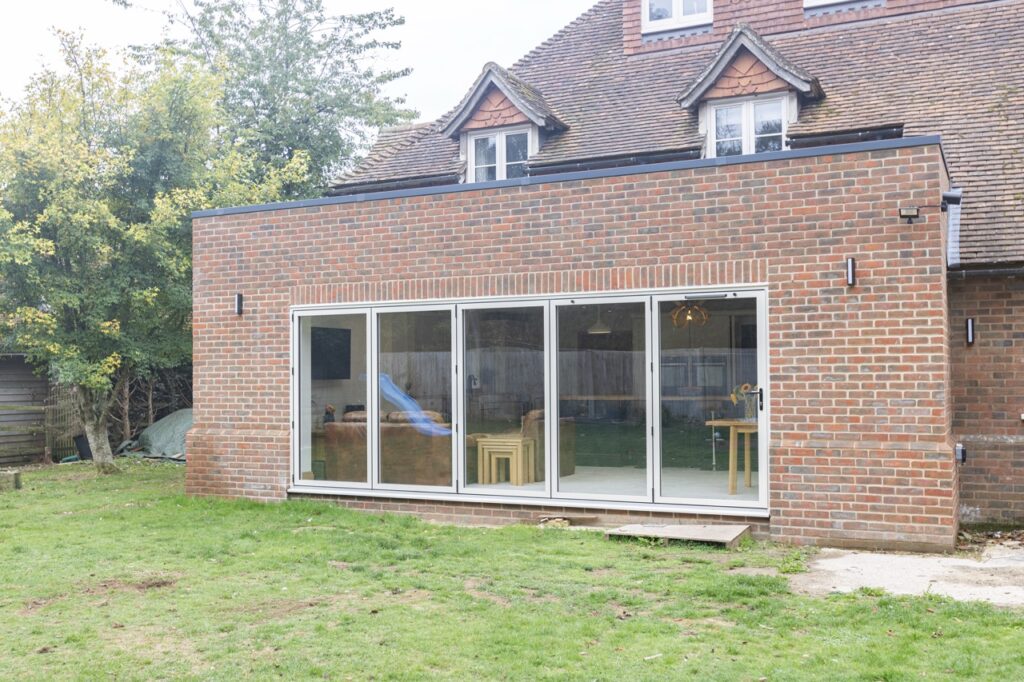
Create a Home That Performs Beautifully
A more sustainable new build is not defined by one feature. It is the result of careful decisions made throughout the design and construction process.
Energy performance, material quality, layout, build standards and long-term practicality all play a part. When these elements are considered together, the result is a home that feels comfortable, efficient and built to last.
If you are planning a new build in Hampshire, AH Construction can help you create a home that is thoughtfully designed, carefully built and ready for the future.